
تقنيات البلاط

المواصفات التقنيةللبلاط
.يُعتبر البلاط الخزفي والبورسلان خيارًا مثاليًا لمن يبحث عن مواد عالية الجودة ومقاومة للتلف. فمصنوع من خامات مختارة باستخدام تقنيات متقدمة، يتميز هذا البلاط بانخفاض مساميته وارتفاع قوته الميكانيكية، مما يجعله مناسبًا للمساحات السكنية والتجارية على حد سواء
.يتوفر البلاط بتشكيلات وتصاميم متعددة تجمع بين الجمال والوظيفة. كما أن استخدام تقنيات التركيب الصحيحة يضمن نتائج مثالية وطويلة الأمد، سواء كان من البلاط الكامل أو البورسلان الأبيض. توفر هذه الخيارات حلولًا مبتكرة لتعزيز أي مساحة بأناقة وعملية
بلاط البورسلان
(BIa - GL)
(BIa - GL)
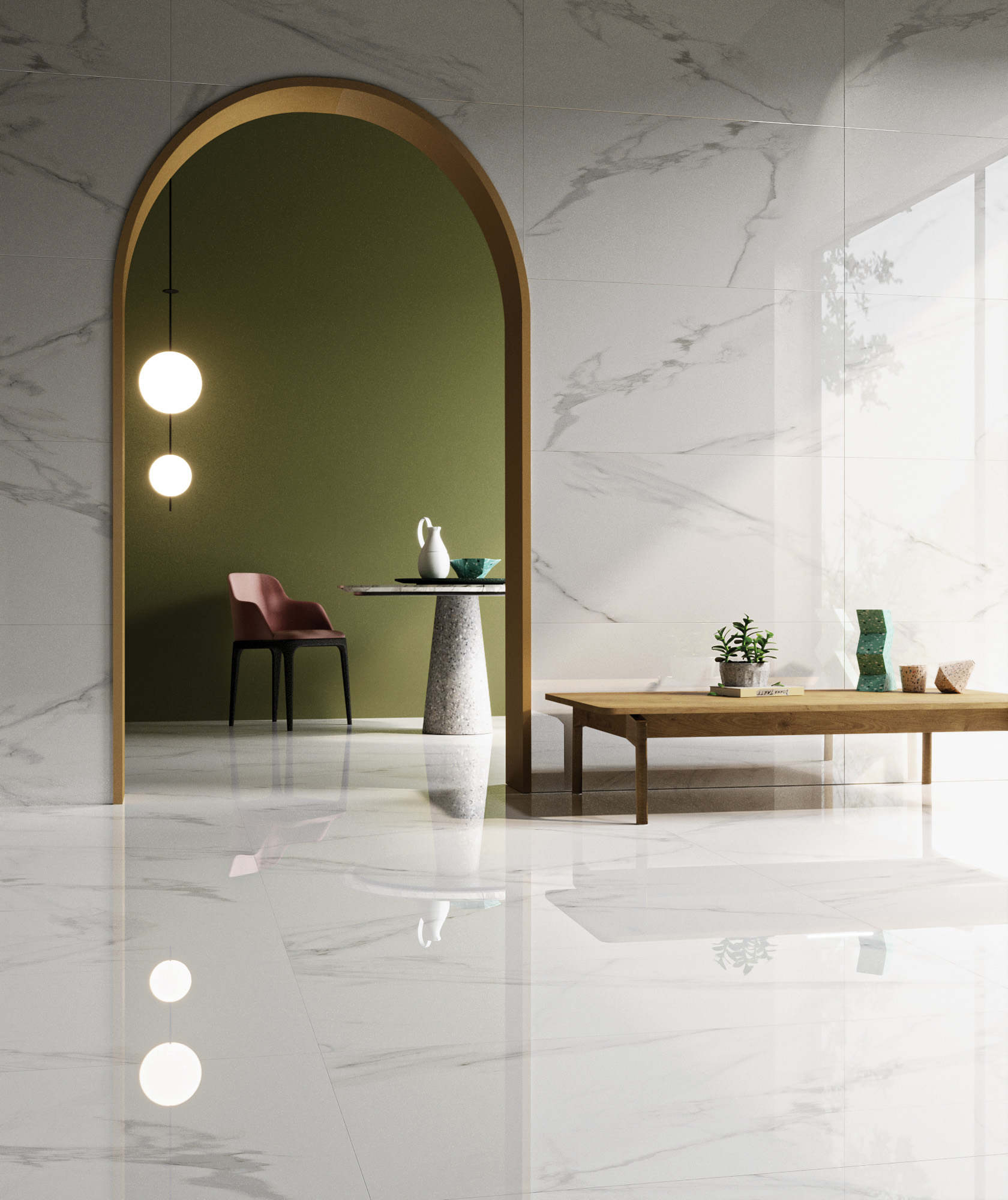
يُصنَّع البلاط البورسلاني باستخدام خامات نقية مختارة بعناية، مستوردة ومعالجة بأحدث تقنيات الاستخراج والفرز. وتتم عملية الإنتاج بطريقة مشابهة للبلاط المصبوب مرة واحدة، لتوفير منتج نهائي من أعلى مستويات الجودة. تبدأ العملية بطحن الخامات الرطبة، ثم تجفيف جزئي بواسطة الرش، وتخزين في صوامع لتجانس الخصائص، يلي ذلك الضغط باستخدام مكابس هيدروليكية عالية الكفاءة تصل ضغوطها إلى أكثر من 500 كغ/سم².
يجمع الضغط العالي مع درجة حرارة الحرق العالية التي تتجاوز 1200°م بين صلابة وقوة السطح الخزفي مع امتصاص منخفض جدًا للماء (أقل من 0.4% وفق اختبار UNI EN ISO 10545-3)، ومقاومة ميكانيكية عالية جدًا (بقيمة متوسطة تتجاوز 40 نيوتن/مم² وفق اختبار UNI EN ISO 10545-4). بفضل انخفاض المسامية، فإن البلاط البورسلاني مقاوم للصقيع ومصنَّف ضمن فئة BIa GL وفق المعيار الدولي ISO 13006 والمعيار الأوروبي UNI EN 14411 الذي يشترط أن يكون امتصاص الماء ≤ 0.5%.
تتوفر بلاطات سيراميك رأس الخيمة البورسلانية بمجموعة واسعة من التصاميم، الأحجام، والتشطيبات لتلبية مختلف الاحتياجات والمساحات
إرشادات تركيب البلاط
Although our porcelain tiles can be installed using traditional cement mortars, we advise using modern adhesives. While installing on wall, the two-layer spreading system is recommended to perfectly wet the back of the tile. Quickly dipping each tile in water before installation will remove any dust on the back of the tile for perfect adhesion. Do not wet the tiles if you are using vinyl, acrylic resin adhesives or two-component organic-solvent based adhesive. It is advisable to incorporate suitable shrinkage - flexion joints (movement/ expansion joints) when installing on large floors: the joints should never be spaced more than 4 - 5 linear meters apart indoors and 3 linear meters apart outdoors. Be careful while using strong coloured grouts as they might leave stains on the surface of the tiles that may be difficult to remove later.
بلاط بورسلان متجانس
كامل الجسم
(BIa - UGL)
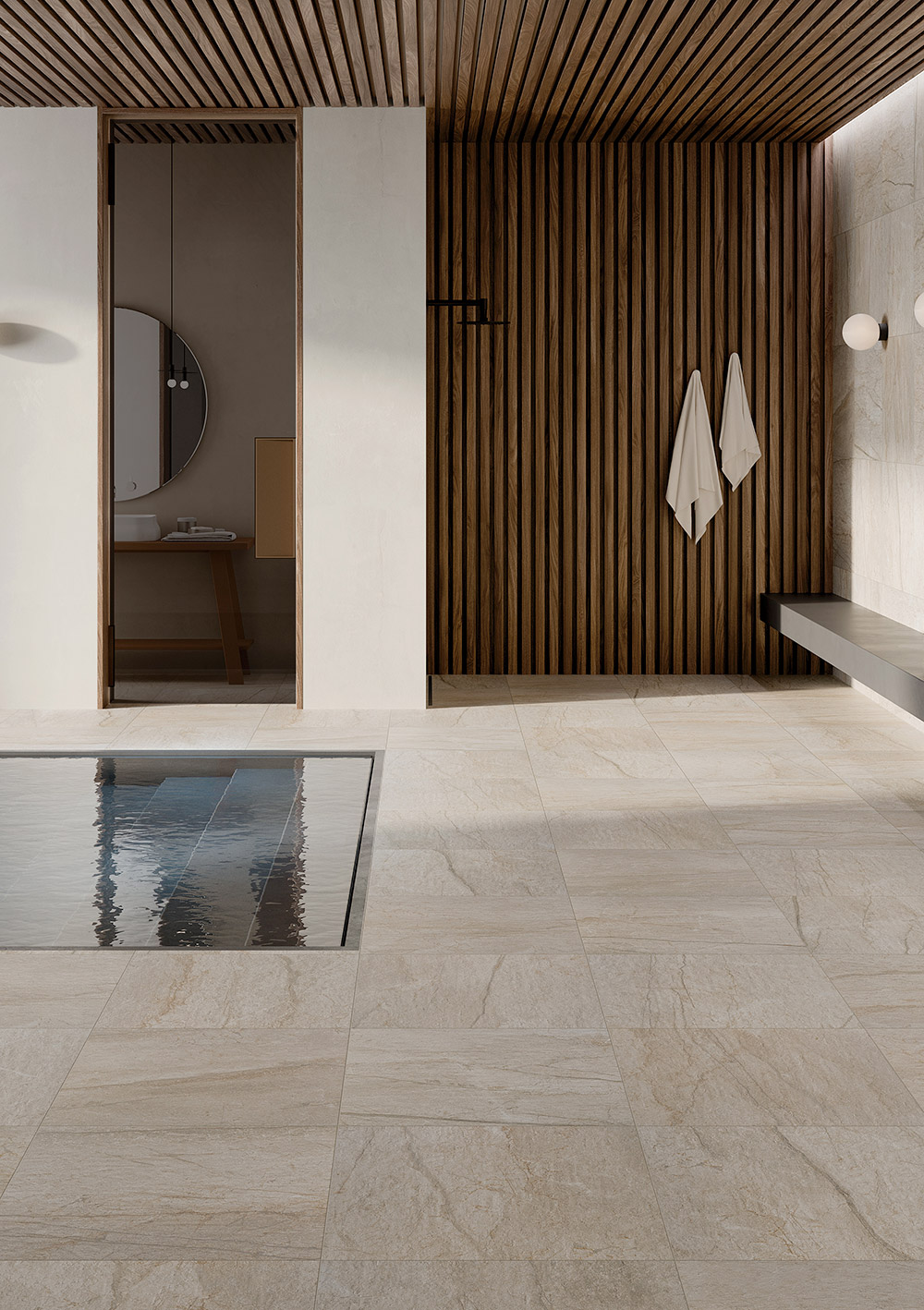
تُصنّع بلاطات <b>البورسلان المتجانس كامل الجسم</b> باستخدام مواد خام نقية يتم اختيارها بعناية واستيرادها، ثم مزجها باستخدام أحدث تقنيات الاستخراج والفرز. ويتم إنتاجها بعملية مشابهة للبلاط المحروق مرة واحدة (Single-Fired).
ينتج عن هذه العملية بلاط بورسلان عالي الجودة، حيث تمر المواد الخام بمرحلة الطحن الرطب، تليها عملية تجفيف جزئي بالرش، ثم تخزينها في صوامع لضمان تجانس الخصائص، قبل ضغطها باستخدام مكابس هيدروليكية عالية الكفاءة بضغط يتجاوز 500 كجم/سم².
يؤدي هذا الضغط العالي، مع درجات حرق تتجاوز 1200 درجة مئوية، إلى تكوين سطح سيراميكي شديد الكثافة والقوة، مع امتصاص منخفض جدًا للماء (أقل من 0.1% وفقًا لمعيار UNI EN ISO 10545-3)، ومقاومة ميكانيكية عالية جدًا (تتجاوز 40 نيوتن/مم² وفقًا لمعيار UNI EN ISO 10545-4).
تُعد هذه البلاطات مناسبة للمناطق ذات الحركة الكثيفة، نظرًا لمقاومتها العالية للتآكل العميق (150 مم³ من المادة المزالة مقارنة بـ 175 مم³ حسب معيار UNI EN ISO 10545-6). كما أنها، بفضل انخفاض مساميتها، مقاومة للصقيع، ومصنفة ضمن فئة BIa UGL وفقًا للمعيار الدولي ISO 13006 والمعيار الأوروبي UNI EN 14411، حيث يشترط امتصاص ماء ≤ 0.5%.
كما تتميز بمقاومة عالية للأحماض والقلويات (وفقًا لمعيار UNI EN ISO 10545-13)، مما يجعلها مناسبة للبيئات التي تُستخدم فيها مواد كيميائية قوية مثل مصانع الأغذية، والمستشفيات، والمنشآت الكيميائية أو الدوائية.
وتتوفر بلاطات البورسلان المتجانس كامل الجسم بمجموعة واسعة من المقاسات والتشطيبات، بما في ذلك أسطح مقاومة للانزلاق.
إرشادات تركيب البلاط
Although our full body porcelain tiles can be installed using traditional cement mortars, we advise using modern adhesives. For large sizes over 40x40cm, outdoor and wall installations, the two-layer spreading system is recommended to perfectly wet the back of the tile. Quickly dipping each tile in water before installation will remove any dust on the back of the tile for perfect adhesion. Do not wet the tiles if you are using vinyl, acrylic resin adhesives or two-component organic-solvent based adhesive. It is advisable to incorporate suitable shrinkage - flexion joints (movement/ expansion joints) when installing on large floors: the joints should never be spaced more than 4 - 5 linear meters apart indoors and 3 linear meters apart outdoors. Be careful while using strong coloured grouts as they might leave stains on the surface of the tiles that may be difficult to remove later.
بلاط سيراميك
بالعجينة الحمراء والبيضاء
(BIII)
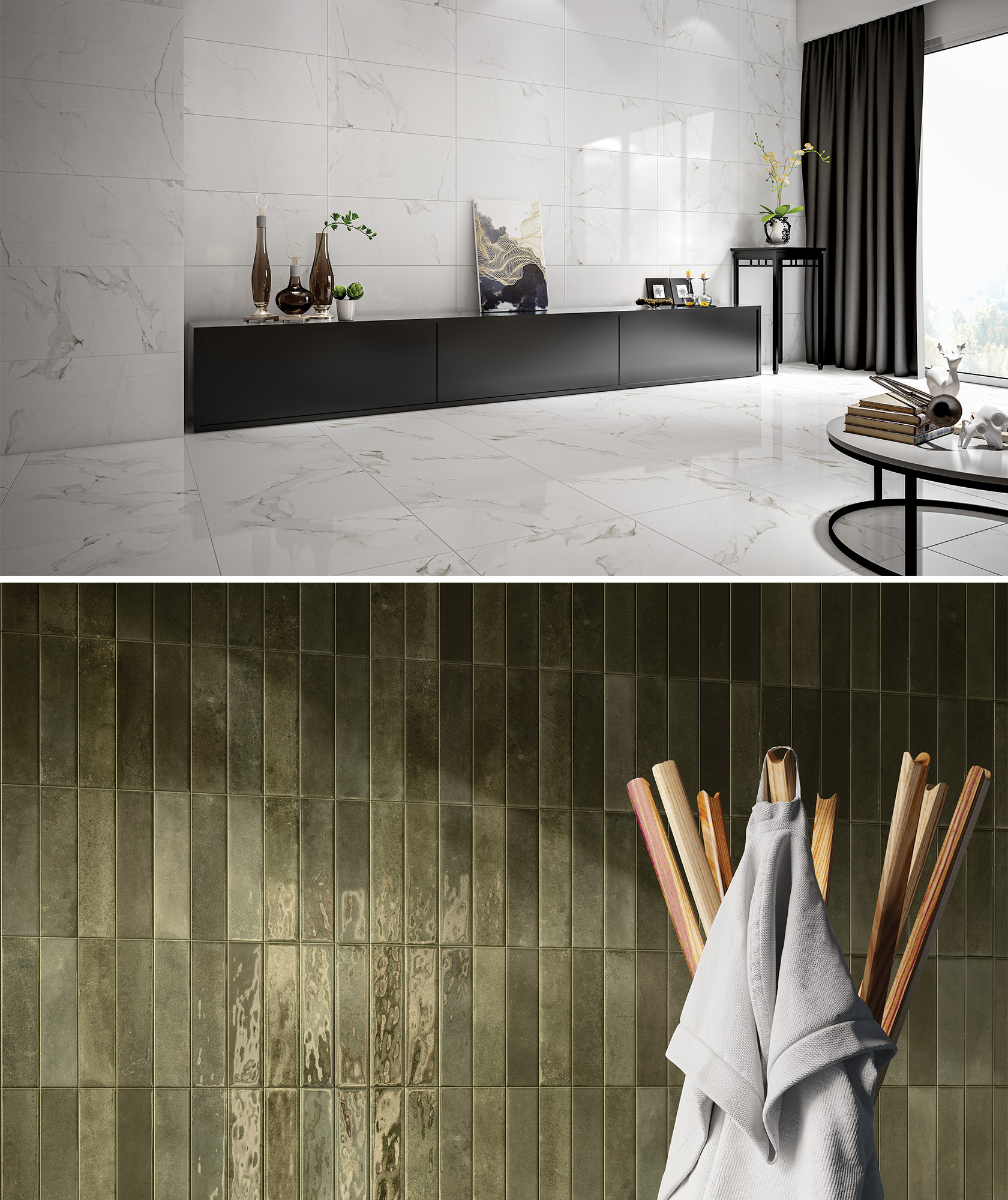
تُصنّع بلاطات السيراميك ذات <b>العجينة الحمراء والبيضاء</b> باستخدام أجود أنواع الطين، بالإضافة إلى الشاموت (مادة سيراميكية خام تحتوي على نسبة عالية من السيليكا). تمر هذه المواد بعملية طحن جاف، ثم تُخلط بشكل مناسب مع إضافة الماء، قبل ضغطها باستخدام مكابس هيدروليكية.
تتم عملية الحرق الأولي السريع (الدعامة) في أفران دوّارة تصل حرارتها إلى حوالي 1130 درجة مئوية. وبعد تطبيق الطلاء الزجاجي (Glazing)، يتم تلبيد المنتج النهائي في أفران دوّارة بطبقة واحدة عند درجة حرارة تقارب 1030 درجة مئوية.
تتميّز بلاطات الجدران الناتجة بقوة انحناء متوسطة تزيد عن 16 نيوتن/مم² وفقًا لمعيار UNI EN ISO 10545-4، كما أن نسبة امتصاص الماء فيها تتجاوز 10%، مما يصنفها ضمن فئة <b>BIII (GL)</b> وفقًا للمعيار الدولي ISO 13006 والمعيار الأوروبي UNI EN 14411.
وتُظهر هذه الفئة من المنتجات انكماشًا شبه معدوم أثناء الحرق، مما يضمن ثبات الأبعاد بشكل كبير ويسهّل عملية التركيب بشكل ملحوظ.
إرشادات تركيب البلاط
Ceramic Red and White body tiles can be laid using either tile adhesives or cement mortar. Under no circumstances should the tiles be wet before laying when using acrylic or vinyl resin based adhesives or two- component organic solvent based adhesives. When laying large sized tiles it is best to adopt the two layer spreading method and, when the laying surface is very large, to provide for suitable expansion joints which must not be spaced more than 4-5 linear meters apart from one another.
IMPORTANT POINTS TO REMEMBER WHILE LAYING THESE TILES
When laying on wet concrete or plaster, leave to dry for at least one week for each centimetre of thickness. When laying on brick, never lay on tile adhesive measuring more than 4-5 mm in thickness. For laying on flexible supports (for example plasterboard panels, polymer panels, etc.) which may result in movement of the tiles, we advise laying on tile adhesive measuring no more than 2-3 mm in thickness and to use class C2 or D1 glues. For laying on waterproof brick, which prevents the release of damp, we advise laying on tile adhesive measuring no more than 3 mm in thickness and to use class C2 or D1 glues. Avoid laying without expansion joints or joints where stress due to expansion is released directly onto the tile.
بلاط جريس
بالعجينة البيضاء
(BIIa )
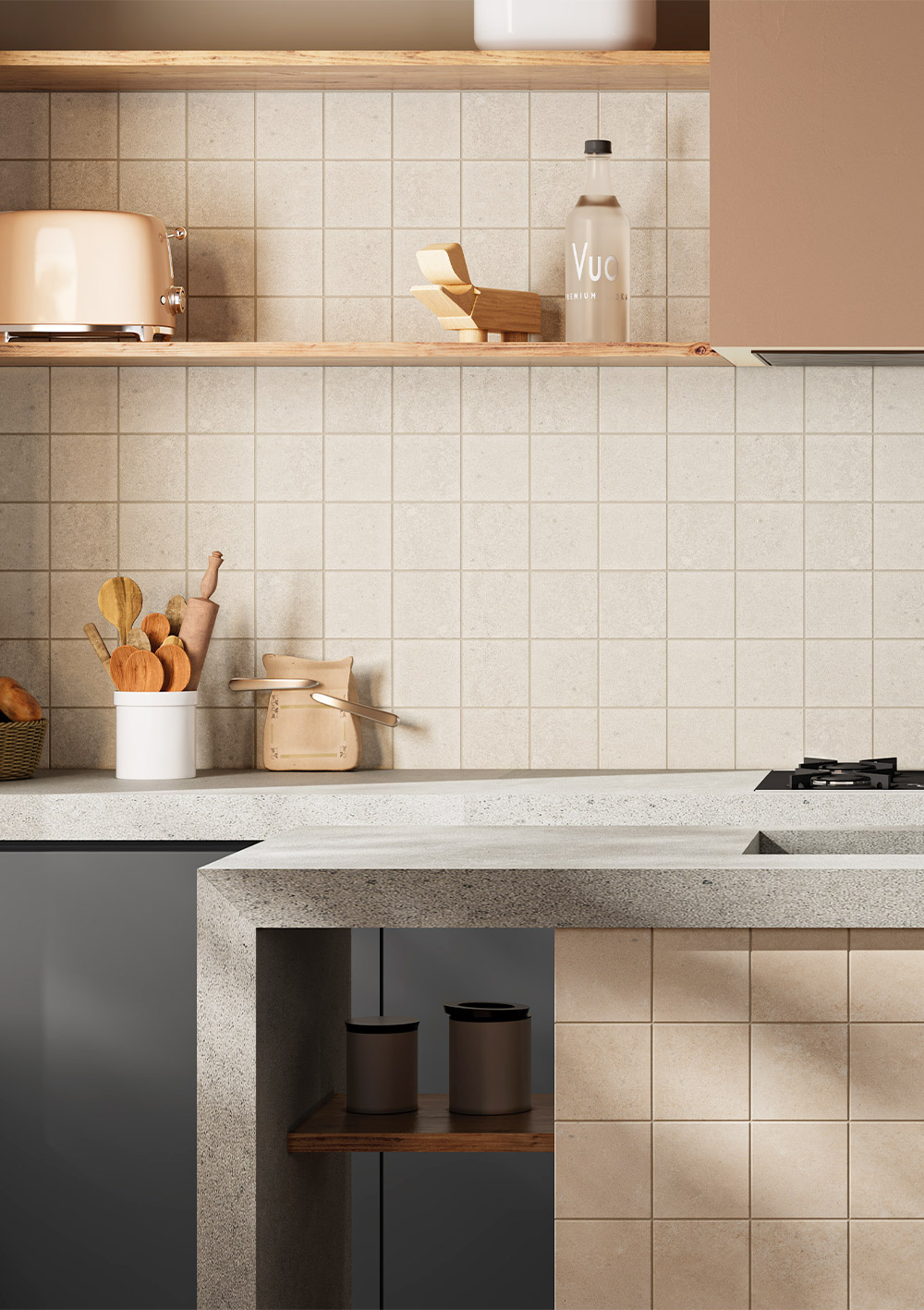
تُصنّع بلاطات <b>الجريس بالعجينة البيضاء</b> من خلال مزج مواد خام تشمل طينًا أبيض أو أحمر عالي الجودة، إلى جانب الكوارتز والفلسبار، وذلك عبر مطاحن كروية بنظام الطحن الرطب. بعد الطحن، يتم الحصول على معلق طيني يُعرف بـ (Slip)، ثم يُجفف بالرش لإزالة الرطوبة الزائدة.
بعد عملية التجفيف، يتم ضغط المسحوق الناتج باستخدام مكابس هيدروليكية متطورة بقوة ضغط تتجاوز 300 كجم/سم²، للحصول على جسم جريس متماسك. وبعد التجفيف، تُغطى البلاطات بطبقات زجاجية وتُزيَّن لتلبية المتطلبات الجمالية والتصميمية. ثم تُحرق في أفران دوّارة تصل حرارتها إلى حوالي 1200 درجة مئوية.
ينتج عن هذه العملية بلاط ذو مسامية متوسطة إلى منخفضة (بين 3% و5%)، متوافق مع المعايير الدولية ISO 13006 والأوروبية UNI EN 14411، ومصنف ضمن فئة <b>BIIa GL</b>. كما يتميز بقوة انحناء جيدة (بمتوسط 30 نيوتن/مم² وفقًا لمعيار UNI EN ISO 10545-4).
أما مقاومة التآكل، فتختلف حسب نوع ودرجة الطلاء الزجاجي، وقد تتباين بين المنتجات والمجموعات المختلفة. وبشكل عام، لا يُنصح باستخدام التشطيبات اللامعة في الأرضيات ذات الحركة الكثيفة أو في المساحات المتصلة بالخارج، حيث يُحتمل دخول الرمال أو المواد الكاشطة.
إرشادات تركيب البلاط
Our gres white body tiles can be laid using either traditional cement mortar or modern tile adhesives. When laying large size tiles, it is best to adopt the two-layer spreading system to ensure the adhesive is spread over 90 % of the tile surface. Quickly dipping each tile in water before installation will remove any dust on the back of the tile for perfect adhesion, however, do not wet the tiles if you are using vinyl, acrylic resin adhesives or two-component organicsolvent based adhesive. It is advisable to always incorporate suitable shrinkage-flexion joints (movement/expansion joints) which must not be spaced more than 4-5 metres apart from one another. These joints must be inserted not only between the tiles, but also reach the levelling compound below, consisting of either cement mortar or dry compound, depending on whether the tiles are set in the traditional manner or using a modern adhesive. The movement joints must be sealed with appropriate materials such as silicone or polyurethane-based sealants, depending on the anticipated traffic of the application area. Appropriate tile bedding layers should be used such as underlay, damp course, vapour barrier or any other layer necessary to prevent the tiles from detaching themselves or cracking due to water penetration.